you seem to be very diverse in your skills as an artist -- if you had to pick one medium to do art in for the rest of your days, what would it be?
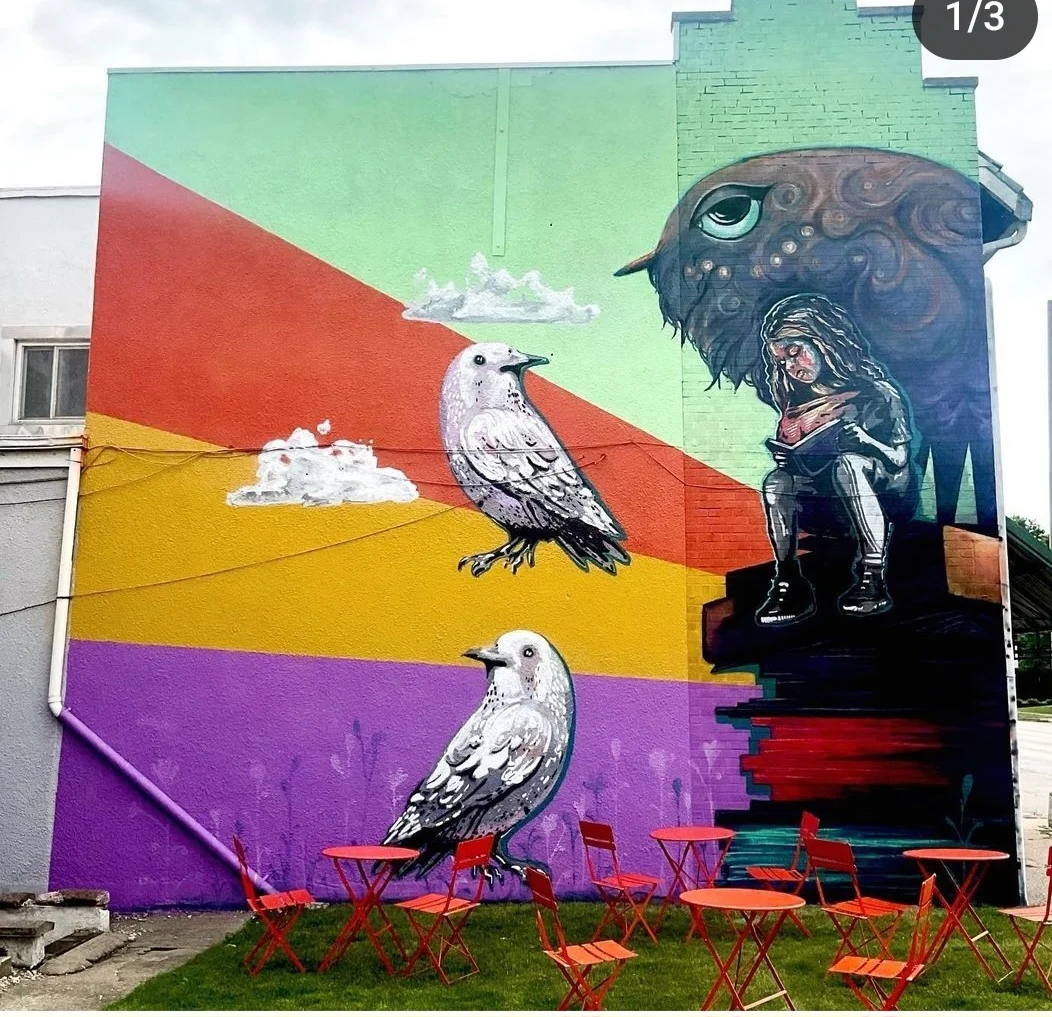
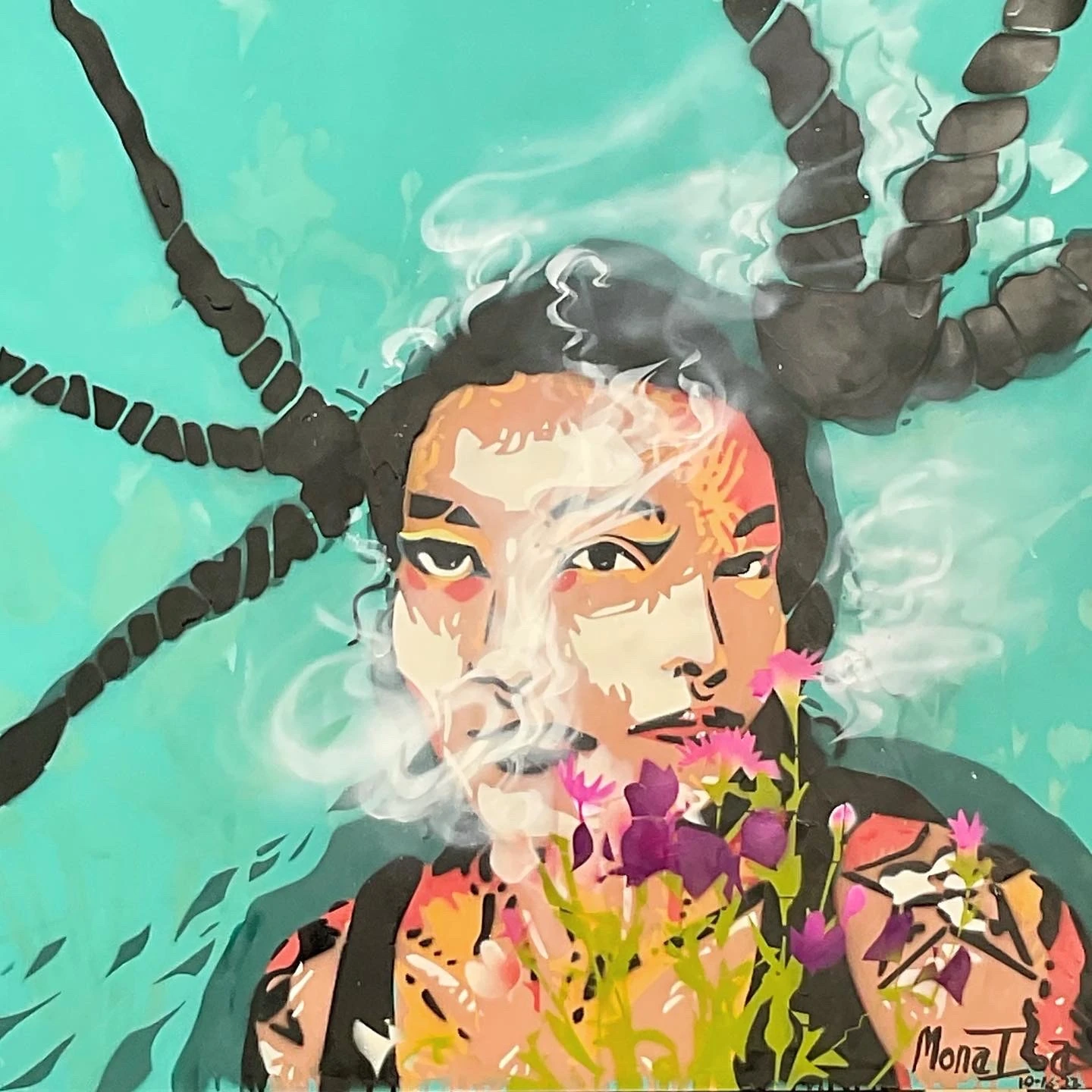
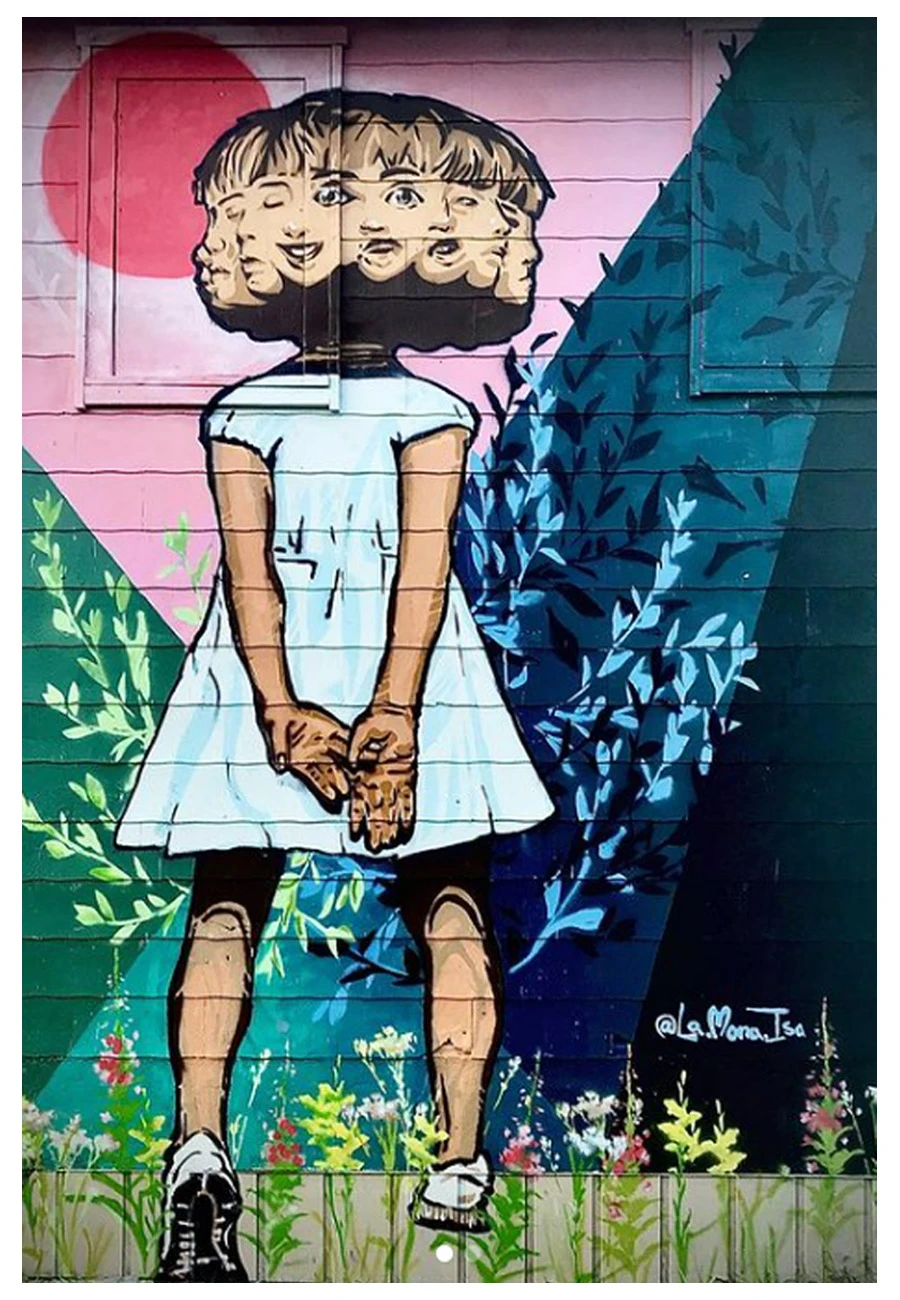
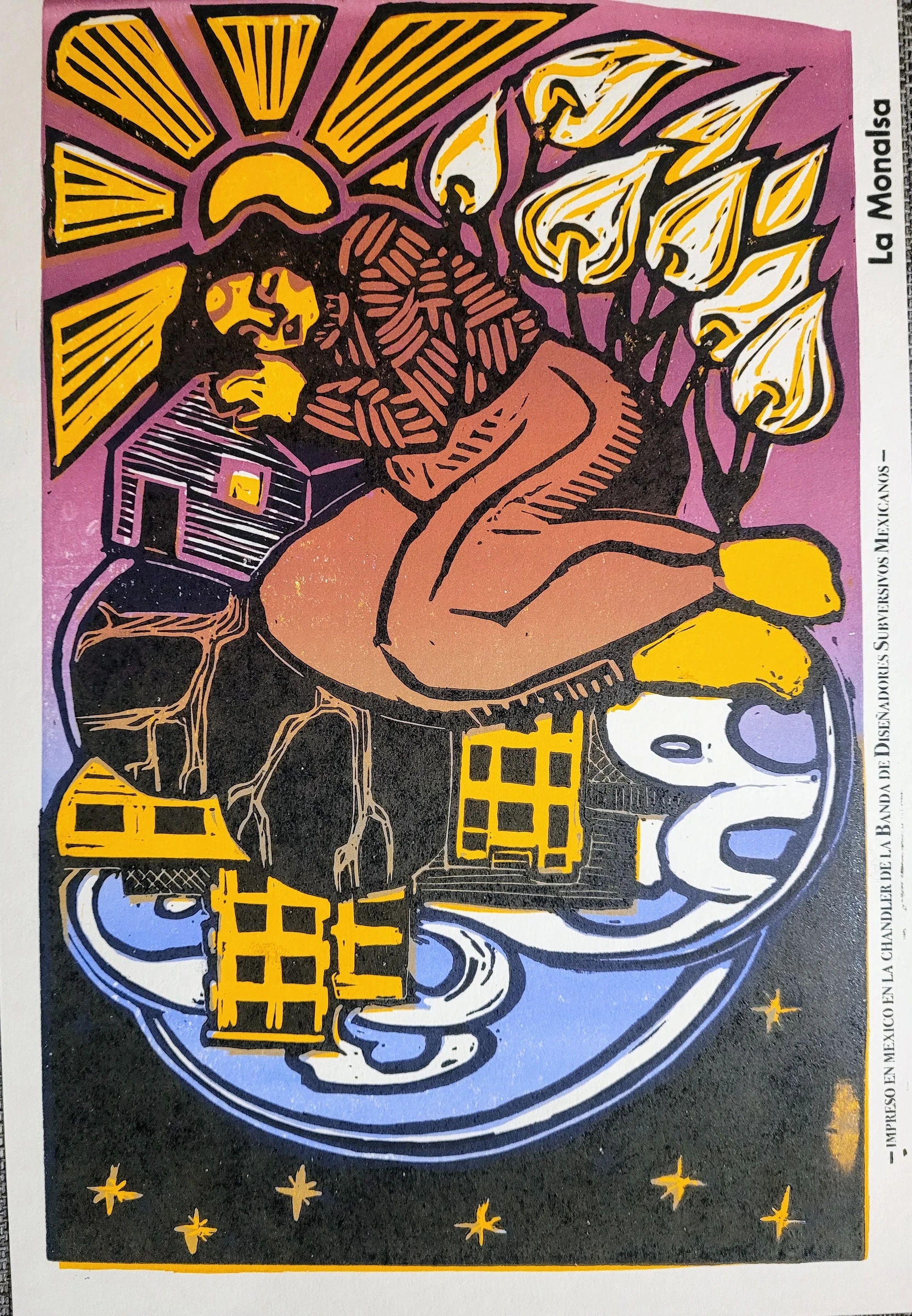
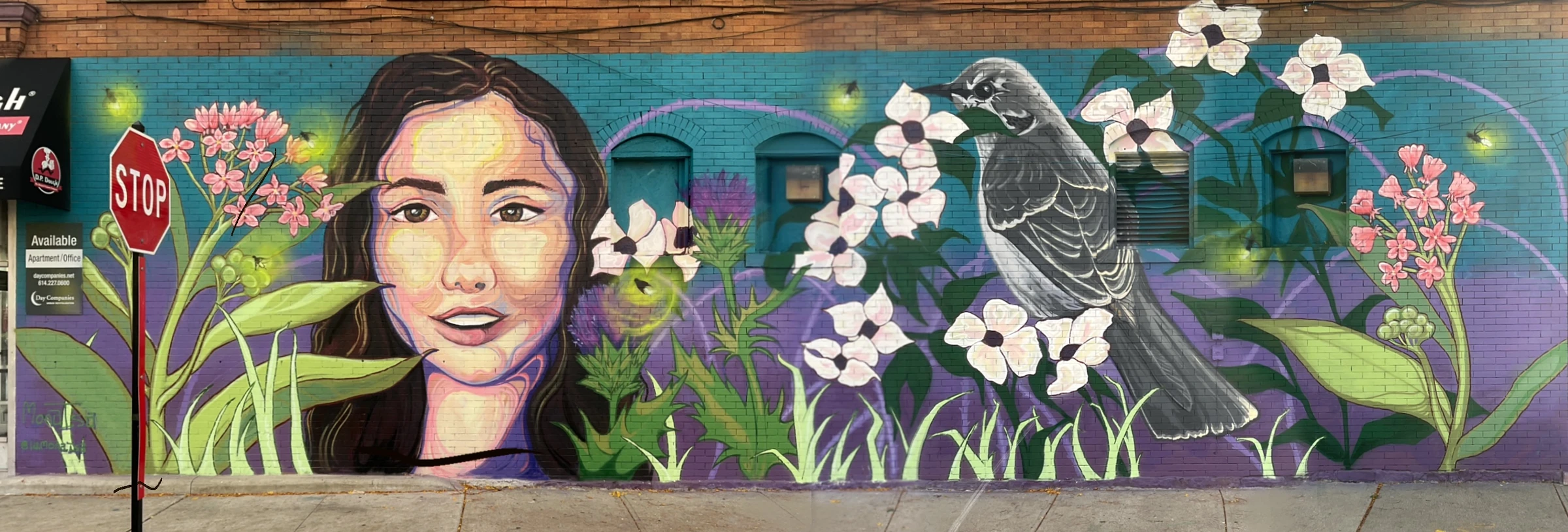
Right now If I had to choose one medium, I’d pick murals. They combine so many things I love: scale, color, storytelling, and I love that it’s something that is free for so many people to enjoy. That said, I think different mediums can build on one another. I use my illustration skills to design my murals, as well as extensively in my graphic design. I use my graphic design skills to make stickers, edit my shitty photos of my work, and apply to muralist proposals. My landscape architecture program relied heavily on graphic skills as well as drafting skills, and those skills help me to scale my murals. There is also a lot of overlap in materiality of mediums.
you have moved around quite a bit and traveled a lot, how has all of that manifested in your work?
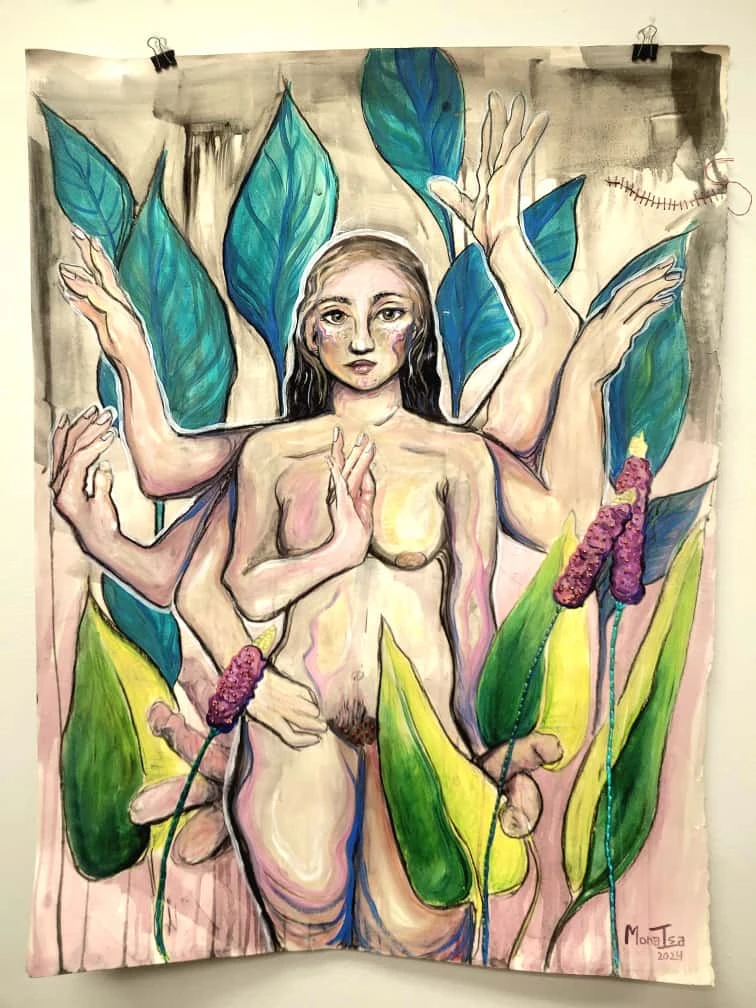
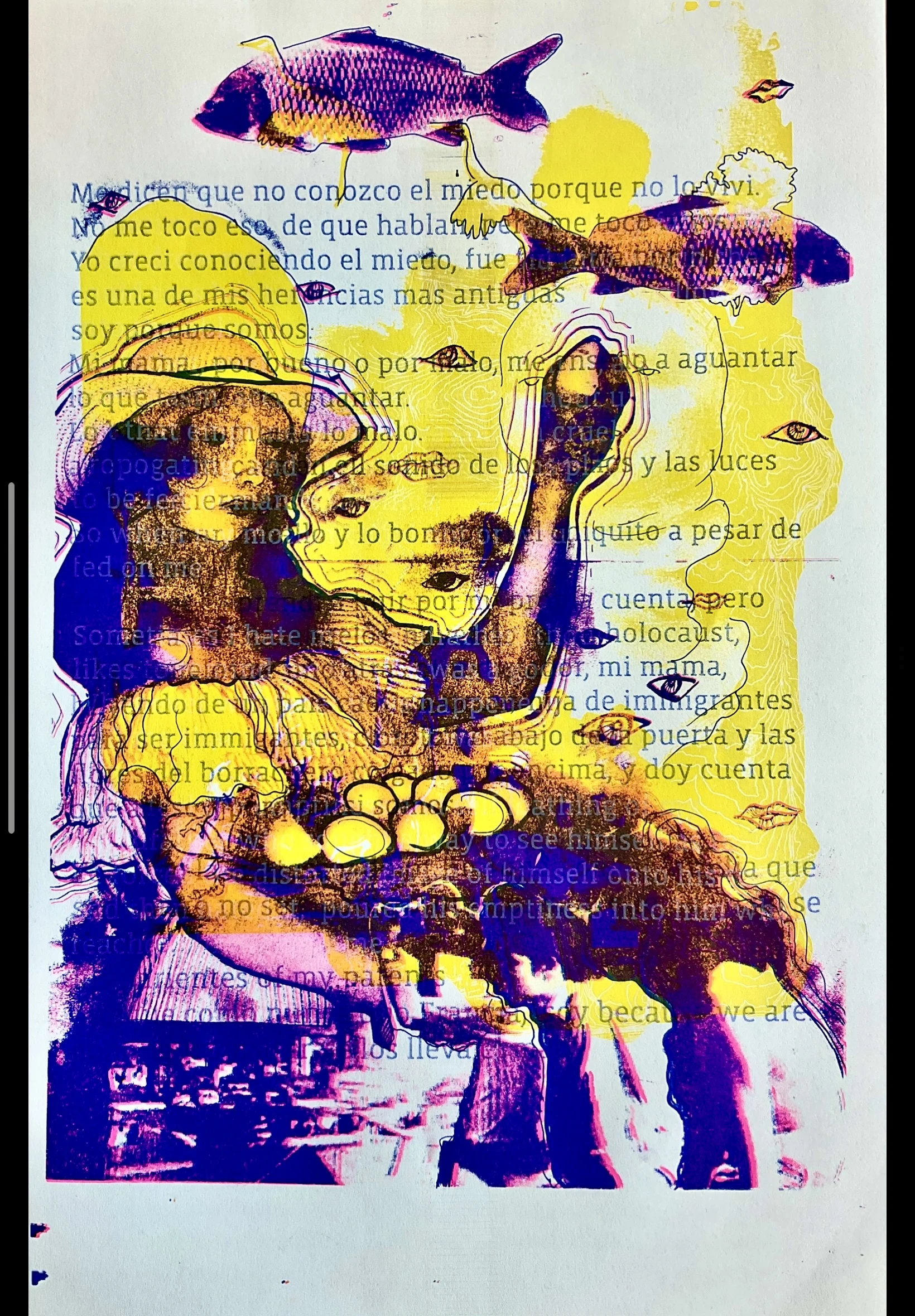
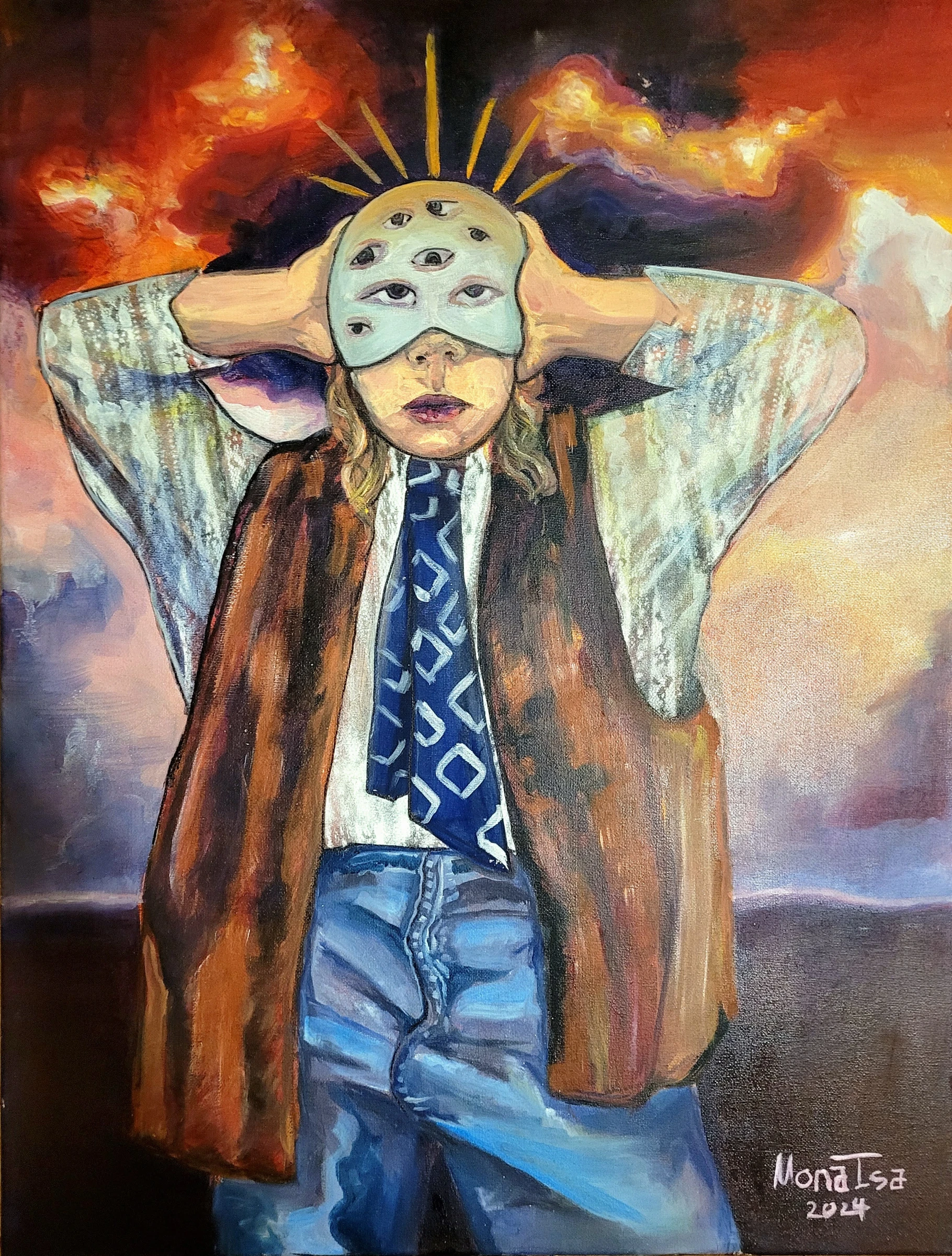
I come from a multicultural family, so when i was young it was necessary to maintain a relationship with both my parents' families. I think its given me layered perspective, and an ability to hold and understand conflicting truths. I carry memories and fragments of different places with me—Those influences show up in how I combine natural and cultural references in my work. My practice often feels like building a map of lived experience, with each project carrying traces of where I’ve been.
you are trained as a landscape architect/artist, what drew you to that program?
I was drawn to landscape architecture because it felt like the most natural bridge between art, design, and the environment. I liked the idea of shaping spaces people move through every day, and working at the scale of land and community while still using artistic thinking. I didn’t want to choose between being an artist or a designer—I wanted to bring those together into something that feels alive and responsive. I really enjoyed exploring all the shrines and researching shinto and Japanese religions. One of the things I found most fascinating about Japan was peoples' Manners- there are reminders everywhere, and people avoid eye contact or speaking in public as a form of respect for others’ privacy and personal space. But in Colombia it’s considered rude not to greet everyone, even strangers. People are open, ask personal questions, and make sure everyone feels included in the space. What fascinates me is that both approaches, though opposite on the surface, come from the same place: a respect for others’ inner worlds, either by respecting privacy and time to think, or desire to include everyone and acknowledge that we are sharing a space. Ohio has its quirks in mannerisms too.